




Despite the global syndicated loan market being down 18% for the first half of the year, Cadwalader has surged to the 12th position among all U.S. syndicated loan legal advisors.

Register now!
Cadwalader is proud to sponsor the second annual Charlotte Women in Fund Finance fall forum and networking event. Join us in the Queen City for an exciting and timely panel discussion followed by a networking reception. Additional details to come. You can register here.
All members of the fund finance community are welcome!
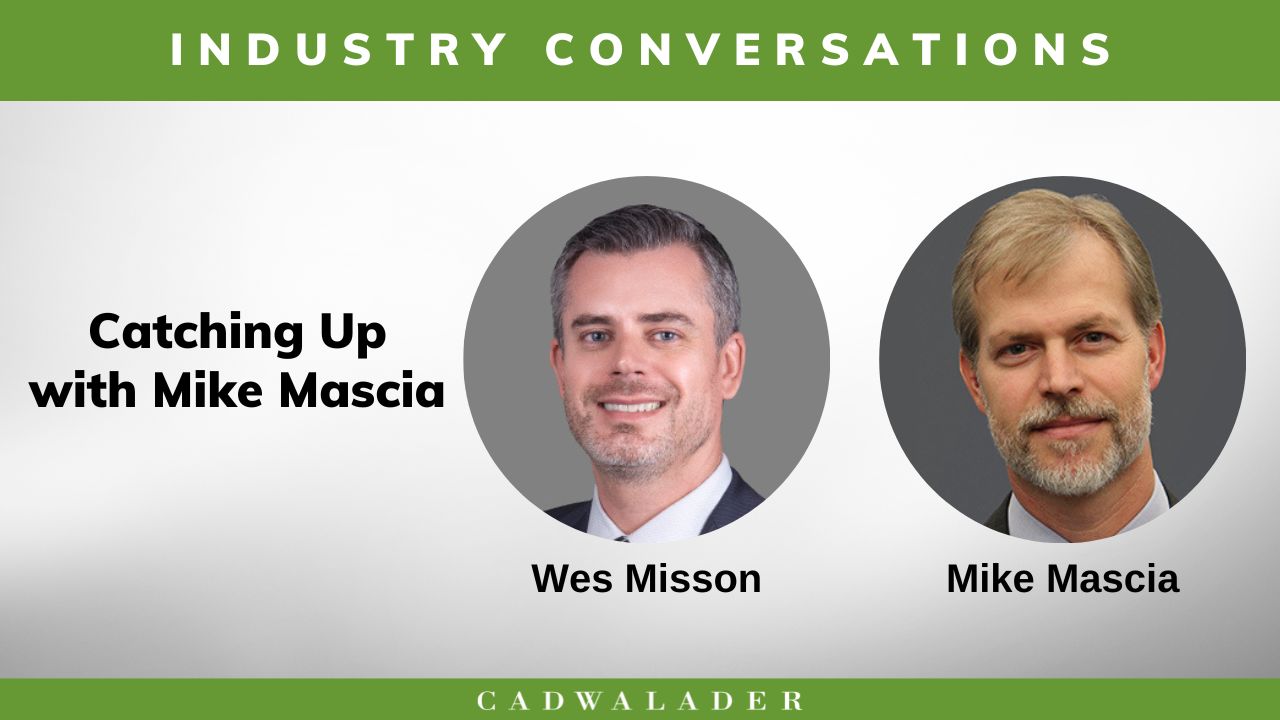
In this episode of FFF: Industry Conversations, Cadwalader partner Wes Misson and the Co-Head of Fund Finance at EverBank, Mike Mascia, discuss the recent launch of the Fund Finance division at EverBank, regional bank stress and other industry trends.
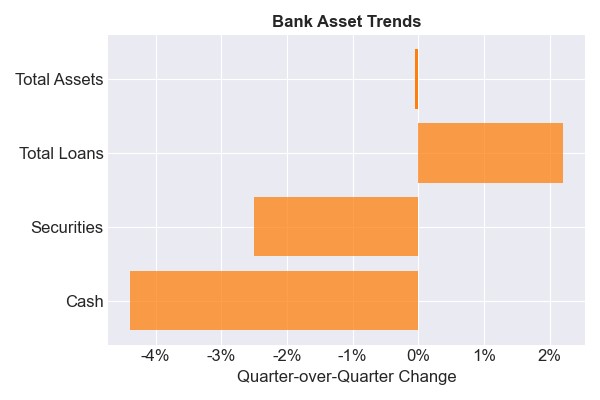
The FDIC set up the SVB bridge bank on March 26, which meant that Q1 bank earnings reports and industry data largely reflected a business environment that had ceased to exist by the time the numbers hit the tape. With the Q2 call report season now largely complete, the new operating environment is becoming clearer.

As we enter back-to-school season and look forward to FFA U this fall, we thought a back-to-basics primer on the limited partnership agreement (the “LPA”), which is the legal and credit cornerstone of our product, would be fitting.
In the continued expansion of its commercial banking operations to provide bespoke and customized fund-level financing to alternative asset managers and the private capital industry, EverBank (temporarily TIAA Bank) announced the launch of its new Fund Finance division this week under the leadership of industry veterans Jeff Johnston and Mike Mascia.
APAC NextGen committee will be hosting a virtual panel discussion titled “How to Not Lose Money: Mitigating Risks and Facilitating Fund Financing” on Thursday, August 24. This program will discuss some of the key risk considerations for fund financing and how these can be mitigated, particularly in the current climate.
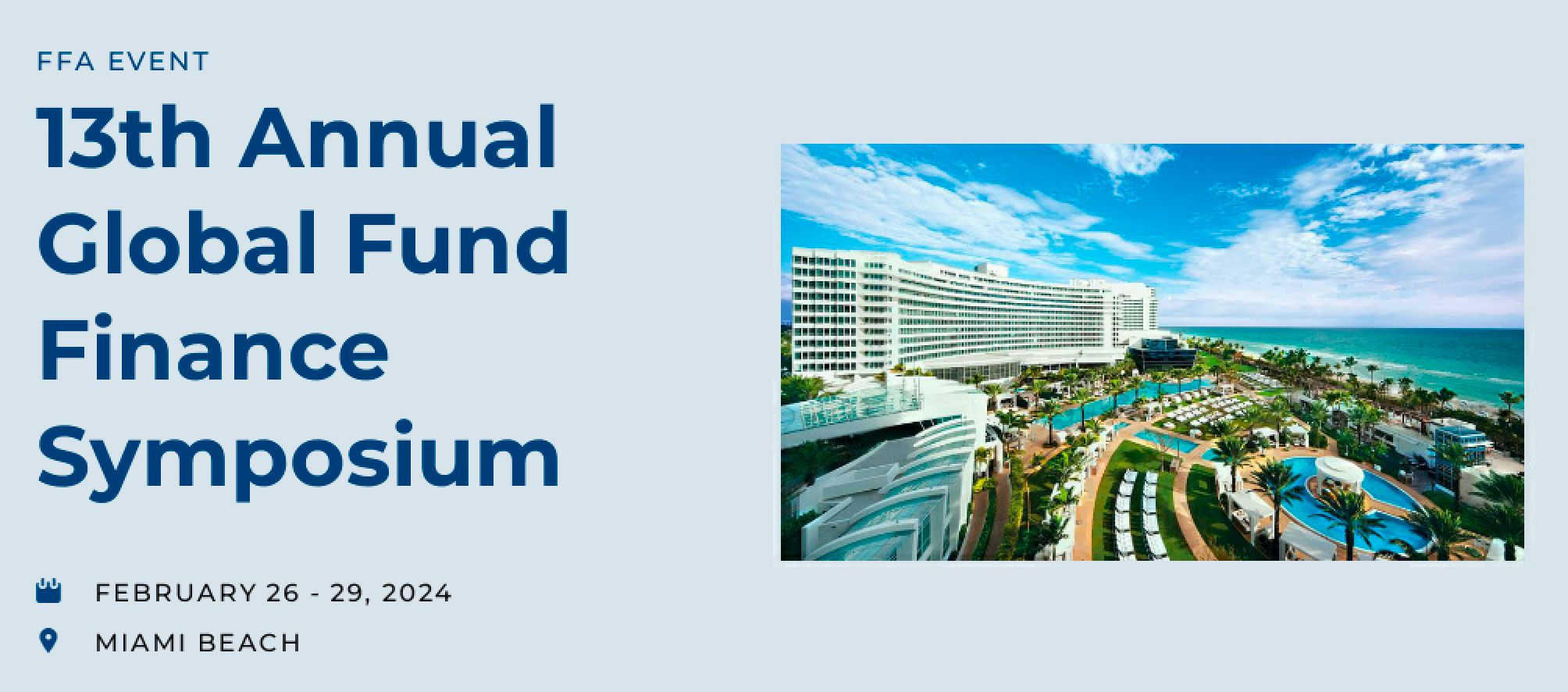
Save the date! The Fund Finance Association has released the dates for the 2024 Global Symposium.
The 13th Annual Global Fund Finance Symposium will take place February 26 - February 29, 2024 in Miami Beach, Florida.
You can learn more about room blocks and sponsorship opportunities for the 2024 conference here.

As the secondaries market continues to grow and increase in complexity, we have noticed an uptick in interest among our clients in selling (and buying) loan participations. Participation arrangements can be a powerful tool for institutions on either side of the transaction – sellers can free up capital on their balance sheet, pare back funding obligations and reduce exposure to certain borrowers or industries, and buyers can get the economic benefit of a loan without having to manage a direct relationship with the borrower or comply with (typically more stringent) restrictions and consent requirements for direct assignments. Plus, while the transaction is undoubtedly complex, both parties can leverage the Loan Syndications and Trading Association’s form documentation to keep attention focused on those provisions most important to their institution and the specific transaction. Done right, a bespoke participation arrangement lets everyone leave the field a winner (trophies optional).

On July 27, 2023, the U.S. federal prudential bank regulators (the Federal Deposit Insurance Corporation, the Federal Reserve Board and the Office of the Comptroller of the Currency) proposed new capital requirements for large banking organizations. The FRB also proposed to make certain adjustments to the G-SIB surcharge. Over the last week, we’ve received a number of inquiries from banks and buy-side clients about this proposal – in particular, about its effect on banks’ risk-based capital, including for fund finance transactions, and capital optimization strategies, such as capital relief trades and synthetic securitizations.