





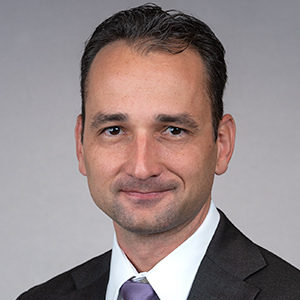
Cadwalader has announced that Nathan Parker, a fund finance lawyer in our London office, has been promoted to Partner effective January 1, 2020.
Here's a look at what we're reading outside the four corners of fund finance.
Here are updates to our Fund Finance Calendar.


We have had a couple of very active weeks since the last edition of FFF. With that in mind, Jeremy and I coordinated this week to provide our combined observations as we head into the home stretch.

Preferred equity is a tool employed by dedicated funds and traditional secondary investors to provide liquidity and funding solutions to managers with portfolios of assets looking for a solution which allows them to retain the majority of the upside and avoid giving up control of the portfolio in a down-side scenario, either where the manager is looking to accelerate liquidity or invest more capital.
In common with many other LMA facilities, subscription/capital call facilities include standard information covenants relating to provision of general financial information (in particular, annual and quarterly accounts), provision of compliance certificates and other specific “information” covenants covering other matters. However, they also differ from other LMA-based facilities in a number of respects. This article in our series seeks to summarise the main areas of difference and the considerations which apply in particular to this part of the subscription/capital call facility.
At the cusp of a new decade, the flood of capital into private funds risks becoming too much of a good thing. None of this is news to astute FFF readers: Equity strategies in many cases face a “buy high” proposition given rich buyout target valuations while debt strategies operate in a flat forward curve matrix with uninspiring credit fundamentals.
Loyens & Loeff partners Vassiliyan Zanev and Antoine Fortier-Grethen summarize fund financing in Luxembourg in a recent primer.
|
|
|
Veteran fund finance banker Jonathan Peiper joined Mizuho Americas last month as a Managing Director to lead its subscription finance business. |
|
|
|
Westin Brake joined Bridge Bank as a portfolio manager in its Equity Fund Resources Group, where he will focus on growing and managing the group’s subscription book and capital call lines to SBICs, private equity and venture capital funds. |


Here are updates to our Fund Finance Calendar.