




Happy Mother’s Day to the amazing moms in the fund finance community!
On behalf of all the moms here on the Cadwalader fund finance team, sending kudos to all of you. We are so proud to work alongside you, to represent you, to work across from you, and to collaborate with you. Each of you is an amazing example of someone who does the daily juggle of balancing a demanding career with motherhood. While we may be across the table from some of you on deals from time to time, we always stand shoulder to shoulder with you as fellow working moms and are grateful for this wonderful community.

This week Charlotte partner Trent Lindsay and associate Morgan Dennis connect with Michael Sinclair, Executive Vice President & Head of Fund Banking at M&T Bank.
Two important industry get-togethers are just around the corner: the inaugural Fund Finance Association 2023 Global Leadership Summit and the 7th Annual European Fund Finance Symposium. Hope to see you there!
Pitchbook took a look this week at the growth of NAV financing in an article titled "GPs quench thirst with NAV financing as liquidity dries up."

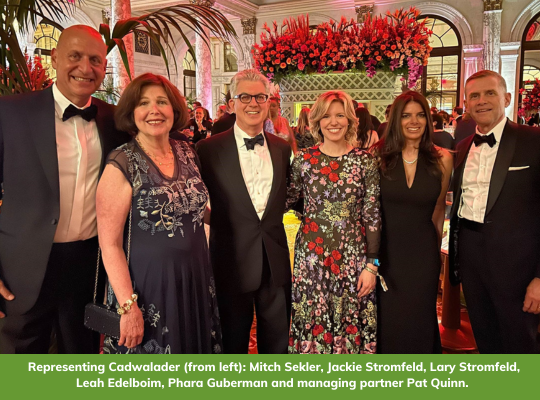
It was a tremendous honor to represent our Fund Finance team and join my Cadwalader colleagues earlier this week at the inaugural Gotham Ball on behalf of Food Bank For New York City.

Lloyds Bank’s Financial Sponsors team, led by Global Head Jill Wilson, has announced recent promotions, including:
- Jeff Leung promoted to Director, Financial Sponsors North America
- Munraj Grewal promoted to Associate Director, Financial Sponsors UK
- Alastair Smith promoted to Associate Director, Strategic Origination & Partnerships UK

In years past defaulting lender mechanics in a subscription credit facility may have been viewed as boiler plate language and, in most cases, the relevant provisions have not received much attention. In light of recent events in the banking industry, defaulting lender provisions have gained some renewed attention. In this article we take a look at the current general state of defaulting lender provisions and the impacts on the lender and borrower.
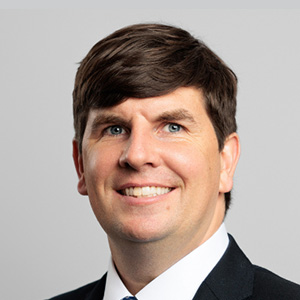
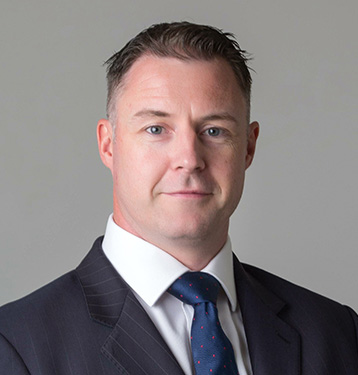

The growth in regulation and oversight of private equity and venture capital funds in the Cayman Islands has again taken a step forward with the recent introduction by the Cayman Islands Monetary Authority of the Statement of Guidance on Corporate Governance for Mutual Funds and Private Funds. To date, only Cayman mutual funds (being open-ended funds or “hedge funds”) were in-scope of such guidance and, while Cayman Private Funds were of course subject to the Private Funds Act and the regulations stemming from it, they have not been subject to specific guidance from CIMA in respect of how their funds and structures should operate from a governance perspective.
Cadwalader ESG Finance and Investment partner Sukhvir Basran collaborated with the Loan Market Association to create the SLL Model Provisions. Sustainability-linked loans (“SLLs”) are one of the most important transition tools, and the launch of these provisions will continue to drive the growth of sustainable finance. You can read the LMA’s press release here.
In addition, Cadwalader recently hosted a breakfast discussion with the LMA and LSTA with the aim of “Unlocking Sustainability-Linked Loans.” During the session, Sukhvir was joined by the LMA’s Gemma Lawrence-Pardew and the LSTA’s Tess Virmani in a conversation addressing some of the most frequently asked questions raised by market participants in respect of SLLs. Click here to listen to the discussion. Click here to read a detailed summary.

Registration is still open for the Fund Finance Association’s 7th Annual European Fund Finance Symposium, which will be held on Monday, June 19, from 9 a.m. to 7:15 p.m., at the QEII Conference Centre in London. For more information or to register, please click here.