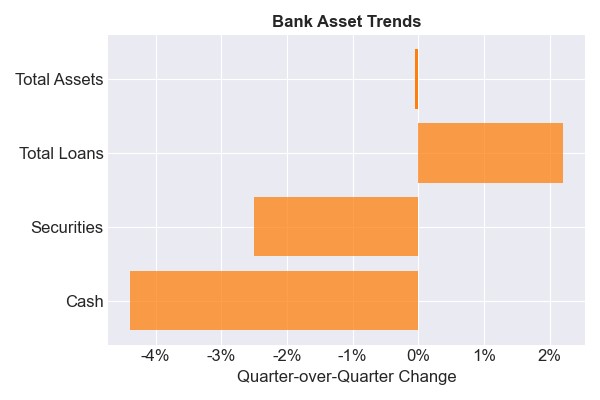



The past six months have been turbulent in the fund finance world. We have seen lenders in the market deal with significant capital constraints, we have seen a small amount of lenders scale back in the fund finance lending market, deciding to deploy capital elsewhere, and we have also seen a large number of new lenders enter into the fund finance market to take advantage of rising interest rates and quality sponsors in need of liquidity. This past week, the focus shifted to the collapse of Silicon Valley Bank and Signature Bank and specifically what exactly will happen to the fund finance loans held by those lenders. In light of the above background, we thought it would be helpful to highlight some of the techniques commonly used by market participants when transferring an existing loan, and some key considerations when doing so.
In recent months, as lenders in the fund finance market have been more selective and demand for financing from fund borrowers remains high, we have seen a number of instances of lenders considering the use of and actually incorporating “market flex” provisions into their deal documents.
Women in Fund Finance hosted a panel discussion yesterday that featured a panel of senior women in infrastructure who discussed everything from their career paths to issues facing the infrastructure industry, such as the fundraising outlook, fund allocations, the impact of inflation and valuations, and the use of debt in these structures. Not surprisingly, ESG played a prominent role in the discussion.
Barclays has an opening for a new Legal Vice President to join its growing Corporate Banking Legal team in New York. Basic qualifications include a minimum of five years’ experience working in commercial lending at a law firm and/or in-house. For a more detailed description of the role and information on how to apply, please visit here.
We have been fielding questions since Friday from counterparties to SVB and Signature asking whether they should continue to perform under their fund finance deal documents. Syndicate banks where SVB or Signature Bank are the agent have inquired whether they should continue to fund in response to borrower draw requests and, if so, whether they should fund to the agent as required under their credit agreement or if they should figure out a way to fund to the fund borrower(s) directly. Fund borrowers have also been wondering whether to make typical payments to these parties.
We know this has been a challenging time for many of our clients and friends in the fund finance industry, both professionally and personally. We join the broader fund finance community in offering our support in every way we can.
Stepping back and looking to provide industry guidance more broadly, we have created a “Financial Markets Resource Center” to serve as a central point of access for our firm’s insights regarding market developments.
The resource center features our best thinking on fund finance and the banking industry more broadly – in the form of Clients & Friends Memos and special issues of Cabinet News and Views, Fund Finance Friday and REF News and Views. We are also populating the resource center with additional informational resources and will continue to add timely content as it is produced.
And, of course, our best resource of all is our transatlantic fund finance team. Our lawyers have been working around the clock and around the globe to monitor developments, advise our clients on active transactions, and help them and the fund finance community keep pace with the broader implications of the ever-changing developments.
It has been a chaotic 72 hours, with changing facts, breaking news and unexpected developments. The market turmoil has kept us scrambling to figure out how best to get deals closed, to keep money moving and to meet our clients’ urgent needs. Below is a discussion of a few of the key things we have learned over the past few days, and our thoughts as to how they are relevant to the functioning of the U.S. Fund Finance market. We continue to be available to answer questions and to do whatever else is needed to help our clients navigate these challenging events.
After being approved by its drafting committees last summer, a new article to the Uniform Commercial Code is now making its way through state legislatures for enactment. Because the new Article 12 and its related code amendments address digital assets, it may be tempting to assume the changes are irrelevant to fund finance. That would be a mistake. We think these UCC amendments carry significant implications for fund finance attorneys, lenders and borrowers.
As we reported last week in Fund Finance Friday, Massachusetts Mutual Life Insurance Company (“MassMutual”) and Barings, one of the world’s leading investment managers and subsidiary of MassMutual, announced plans to transition MassMutual’s Direct Private Investments (“DPI”), a leading fund finance provider, to Barings. In light of this important announcement, Cadwalader fund finance partner Leah Edelboim reached out to Phil Titolo, Head of Direct Private Investments at MassMutual, and Dadong Yan, Head of Alternative Investment Solutions and Portfolio Manager, DPI at MassMutual, about what this transition means for their business and the opportunities they are seeing in the fund finance market.
Of the comments that Cayman counsel add to transaction documents, one of the points that seems to incur a raised eyebrow by U.S. counsel or lenders now and again is the addition of “executed as a deed” in signature blocks of Cayman parties to credit and/or security agreements. What is and what is not a deed is not something that originates in U.S. law, of course, so on occasion we are asked to explain what this is all about and why Cayman counsel are commenting on signature blocks in this way.